
(Human Papillomavirus Vaccine)
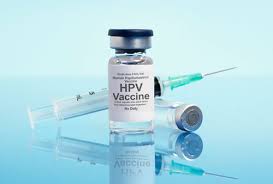
HPV virus is considered as a necessary cause of cervical cancer and is found in more than 99% of the cases. It is a fairly common virus and infects skin and inner lining of genital and respiratory tracts. An average woman has a lifetime risk of 80% of acquiring HPV infection. Although 90% of these infections do not require treatment and go away on their own- 10% persist and this persistent infection has been consistently associated with increased risk of various genital cancers in women and men. It can take upto 10-15 years for changes to become cancerous.
HPV is a DNA virus and more than 120 types are known. Few types are high risk and are responsible for more than 90% of cervical cancers.
We now have HPV vaccines available which have been proven to be extremely effective in preventing HPV infection. These vaccines have been available since 2006 and many countries like Australia are on the verge of eliminating cervical cancer from their population through robust vaccination programs.
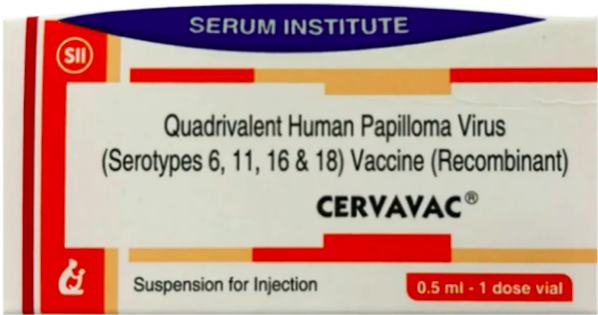
There are three types of vaccines available- depending upon the number of HPV types they cover:
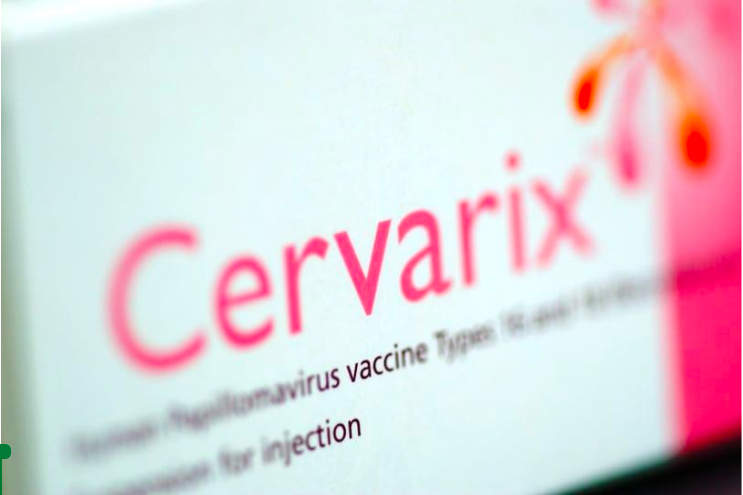
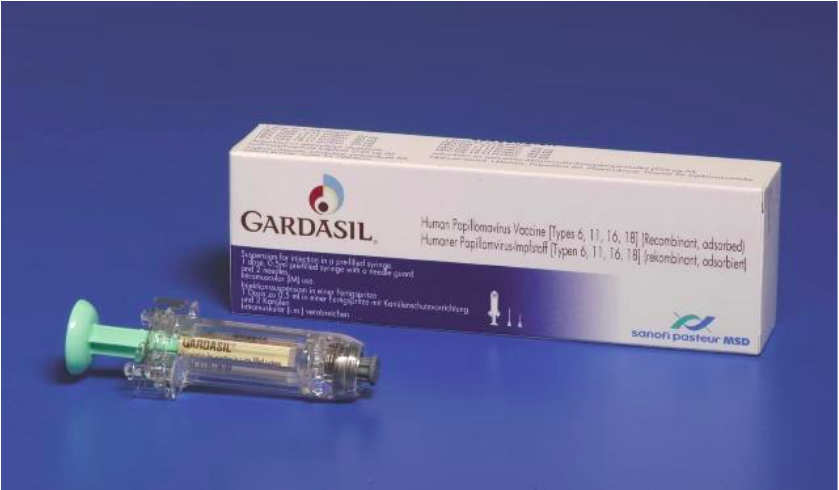
A recent addition to the group is Cervavac- a quadrivalent vaccine by Serum Institute of India and Cecolin- a bivalent vaccine by China.
9-14 years: Two doses (At 0 and 6 months)
15 years onwards: Three doses (At 0, 1-2 and 6 months)
In 2022, WHO published its new recommendations for HPV vaccination
WHO now recommends:
The primary target of vaccination is girls aged 9-14, prior to the start of sexual activity. The vaccination of secondary targets such as boys and older females is recommended where feasible and affordable.
Do not take the vaccine in pregnancy- however, if taken unknowingly- termination of pregnancy is not required.
Do not take vaccine if there was an allergic reaction to the first dose
The HPV vaccine is best administered to girls and boys aged 9–14 years. For Adults- ages 27–45 years if not vaccinated earlier (Catch up age)
Age 9–14: Two doses are needed. The 2nd dose is given 6–12 months after the first. Age 15–26: Three doses are required at 0, 1–2, and 6 months
It is safe, effective, and significantly reduces the risk of HPV-related cancers, including cervical, anal, and throat cancers.The vaccine is not recommended in pregnancy
* Reviewed by Dr. Nikita Chauhan
Learn more about us by visiting this About page.
You can contact us by clicking this link.