
PCOS Symptoms Every Woman Should Know
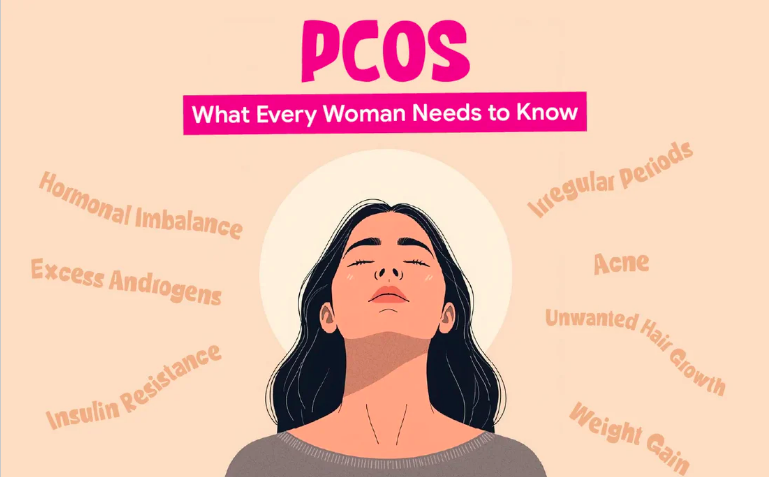
Learn the common PCOS symptoms every woman should know, including irregular periods, weight gain, acne, infertility, and excess hair growth. Early diagnosis can help manage PCOS effectively.
PCOS Symptoms Every Woman Should Know
Polycystic Ovary Syndrome (PCOS) is one of the most common hormonal disorders affecting women of reproductive age. It can impact menstrual cycles, fertility, metabolism, and overall health. Unfortunately, many women remain unaware of the symptoms and may not seek medical attention until complications arise. Early diagnosis and proper treatment can help manage the condition effectively and improve quality of life.
What is PCOS?
PCOS is a hormonal imbalance that affects the ovaries. Women with PCOS may produce higher-than-normal levels of androgens (male hormones), which can interfere with ovulation and lead to a variety of symptoms. While the exact cause of PCOS is not fully understood, genetics, insulin resistance, and lifestyle factors are believed to play important roles.
Common Symptoms of PCOS
1. Irregular Menstrual Periods
One of the most common signs of PCOS is irregular or missed periods. Some women may experience fewer than eight periods a year, while others may have prolonged or unpredictable menstrual cycles.
2. Difficulty Getting Pregnant
PCOS can affect ovulation, making it more difficult for women to conceive naturally. It is one of the leading causes of infertility among women.
3. Excess Facial and Body Hair
Increased levels of androgens can cause excessive hair growth on the face, chest, abdomen, and back, a condition known as hirsutism.
4. Acne and Oily Skin
Persistent acne, especially along the jawline, chin, and cheeks, may be linked to hormonal imbalances associated with PCOS.
5. Weight Gain
Many women with PCOS struggle with weight gain or find it difficult to lose weight, particularly around the abdomen. Insulin resistance often contributes to this issue.
6. Thinning Hair or Hair Loss
PCOS may lead to hair thinning on the scalp or female-pattern hair loss due to elevated androgen levels.
7. Dark Patches of Skin
Some women develop dark, velvety patches of skin around the neck, underarms, or groin area. This can be a sign of insulin resistance.
8. Mood Changes
Hormonal imbalances associated with PCOS can contribute to mood swings, anxiety, depression, and emotional stress.
9. Fatigue
Many women with PCOS report feeling unusually tired or experiencing low energy levels due to hormonal and metabolic changes.
When Should You See a Doctor?
If you experience irregular periods, difficulty conceiving, excessive hair growth, unexplained weight gain, or persistent acne, it is important to consult a gynecologist. Early diagnosis allows for better management of symptoms and reduces the risk of long-term complications such as diabetes, high blood pressure, and heart disease.
Managing PCOS
Although PCOS cannot be completely cured, it can be effectively managed through:
- Healthy diet and regular exercise
- Weight management
- Hormonal medications when prescribed
- Fertility treatments for women planning pregnancy
- Regular medical check-ups and monitoring
Conclusion
PCOS is a common but manageable condition. Recognizing the symptoms early can help women receive timely treatment and prevent future health complications. If you suspect you may have PCOS, seek advice from an experienced gynecologist for proper evaluation and personalized care. With the right treatment and lifestyle changes, women with PCOS can lead healthy and fulfilling lives.
Learn more about us by visiting this About page.
Add Comment
You can contact us by clicking this link.
Radhika Raj
August 21, 2026, 11:48 amI would like to book an appointment with Santosh Ma’am for tomorrow. Could you please let me know if an appointment is available?
Dr. Gurpreet raina
August 19, 2026, 3:49 pmPlease let know the fellowship programes with fee structures . Thanks
Muhammad Umair
August 1, 2026, 9:26 pmMam me aapki peshent hu purani aapse milna he pleez mam